
Personalised Toy Storage Labels Kids Love
A toy box can go from beautifully sorted to full-blown brick, doll and dinosaur chaos before morning tea. Personalised toy storage labels give every tub, crate and shelf a clear job, while adding the little detail that makes a child’s room or play space feel properly theirs.
For young kids, a name or easy-to-recognise word on a storage spot can make pack-up less like a battle and more like a routine. For parents, it means fewer mystery tubs, fewer lost puzzle pieces and a playroom that is easier to reset at the end of the day. Better still, customised labels can look like part of the room rather than an afterthought.
Why personalised toy storage labels work so well
Children are much more likely to use a system they can understand. A plain plastic tub labelled “miscellaneous” may make sense to an adult, but it does not give a four-year-old much direction. A bright label that says “Mia’s Cars”, “LEGO”, “Dress Ups” or “Dino Crew” does.
Personalisation adds ownership. When a child sees their name, nickname or favourite theme on a toy crate, they know exactly where their things belong. It is a small visual cue, but it can make a big difference when you are encouraging them to put toys away before dinner, visitors arrive or the dog finds the missing soft toy.
They also help in shared spaces. If siblings share a bedroom, playroom or cubby house, clearly named storage can stop little disagreements over whose bits are whose. One child may have a basket for art supplies, while another has their own building blocks. The system does not need to be strict, but it does need to be obvious.
Start with the toys that create the biggest mess
You do not need to label every single item in the house. Start with the categories that get pulled out often and are hardest to sort when it is time to pack up. In most family homes, that means building toys, toy cars, dolls, costumes, craft supplies and outdoor play gear.
Choose names your child already uses. “Cars” is usually more useful than “vehicles”, and “Teddies” can work better than “soft toys”. Keep wording short enough to read at a glance, especially if the storage lives down low where children can reach it.
For children who are not reading yet, pair the word with the storage itself in a predictable way. Put all trains in the train tub every time, all colouring supplies in the art drawer, and all dress-ups in one basket. A personalised label gives the spot personality, while the routine teaches the habit.
Keep categories broad enough to be practical
Over-sorting looks lovely for a week, then becomes another job. A separate tub for every type of figurine or every colour of block may not suit a busy household. Broad categories are easier for children to maintain and easier for adults to tidy quickly.
Try grouping toys by how they are played with. A “Make & Create” box can hold crayons, stickers and paper. “Build It” can cover blocks, magnetic tiles and construction pieces. “Outdoor Fun” can collect bubbles, chalk and garden toys near the back door. The right setup depends on your child’s age, how much storage you have and how often the toys are used.
Choose labels that suit the room and the container
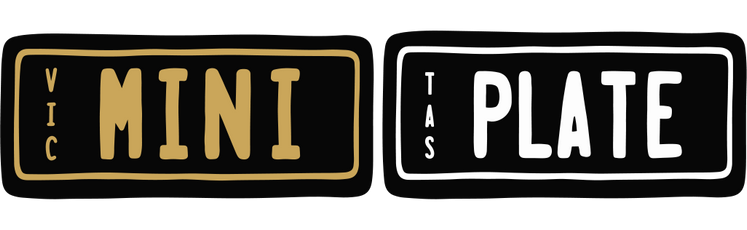
Paper stickers are handy for temporary organising, but they can peel, fade or look tired after a few enthusiastic pack-up sessions. For a more finished look, personalised mini plates are a fun option for toy boxes, timber crates, cubby shelves and larger storage units.
Their number-plate-inspired style brings a playful, realistic feel that works especially well in garages, car-themed bedrooms, cubby houses and spaces filled with ride-on toys. Think “JACKS 4X4” on a car tub, “LILY BUG” on a doll crate, or a child’s name on the shelf holding helmets and scooter gear.
At MiniPlate.com.au, custom plates can help tie together the spaces kids already love, from ride-on cars and bikes to bedrooms and play areas. It is an easy way to create a coordinated look without needing to be a design expert.
Before choosing a label style, consider the container. Smooth plastic tubs may need a suitable fixing method, while timber boxes and shelving can offer more secure placement. Make sure the plate or label will sit flat, be visible from where your child stands and not interfere with opening drawers or lifting lids.
Think about placement before you personalise
A label is only helpful if it can be seen. Put it on the front of a tub rather than the lid if containers are stacked. On open shelving, place it on the shelf edge or on the basket front. For a chest-style toy box, a front-mounted label is usually easier to spot than one on top.
It is also worth planning for growth. A label featuring a favourite cartoon character might be perfect right now, but a name, nickname, vehicle-style word or hobby-based phrase can last much longer. There is no wrong choice - it simply depends on whether you want a label for this phase or a keepsake detail that can move from the nursery to the big-kid room.
Make pack-up part of the fun
A storage system will not magically keep itself tidy, especially after a rainy-day indoor play session. But the way you introduce it matters. Show your child where each category lives, then make the first few pack-ups a game.
Ask them to race you to find all the toy cars, or give them a simple mission: “Can you put all the animals back in Noah’s Zoo before this song ends?” Toddlers often respond best to one instruction at a time. Older kids can take charge of their own zones and may enjoy helping choose what their label says.
Avoid making every toy-storage decision permanent. Children’s interests change quickly. The doll basket may become a craft basket, or the car shelf may turn into a Pokémon display. Move labels around, refresh categories and keep the system useful rather than precious.
Personalised storage makes a thoughtful gift too
A toy storage label can be a lovely finishing touch for a birthday, Christmas, new-bedroom or cubby-house gift. It is particularly useful when paired with a toy box, bookcase, ride-on car, scooter station or outdoor play setup.
For grandparents, aunties, uncles and family friends, personalisation solves the common gift-buying problem of wanting something memorable without adding another noisy toy to the pile. A child’s name on a storage crate or play shelf feels considered, and it can be enjoyed every day.
If you are creating a themed space, keep the details consistent. A racing-inspired room might include a personalised plate on the toy garage, matching storage for helmets and car toys, and a plate for the ride-on vehicle. A farm-themed cubby could use names for the animal basket, outdoor toy crate and pet corner. These small touches make an ordinary space feel like a child’s own little headquarters.
A few details that keep the setup family-proof
Choose storage that children can open safely and reach independently. Heavy lids, tall stacks and tiny compartments can make even the best-labelled system frustrating. Low baskets, sturdy crates and easy-slide tubs tend to work well for everyday toys.
Keep choking hazards and small pieces out of reach of younger siblings, even if the label is intended for an older child. Labels should be firmly attached and checked from time to time, particularly on storage that is moved outdoors, handled roughly or used near water and sand.
Most importantly, leave room for real family life. A perfectly styled playroom is nice, but a system that helps everyone find the blue truck, pack away the blocks and get out the door on time is even better. Choose personalised toy storage labels that make your child smile, give every favourite toy a home and make the next pack-up feel a little lighter.