
Mini Plates vs Decals: Which Looks Better?
A child’s new ride-on car can look brilliant straight out of the box, but it rarely feels like theirs until it has a name, nickname or special plate on the front. When choosing between mini plates vs decals, the big difference is not just price or application. It is the finished look: a raised, number-plate-style accessory versus a sticker that sits directly on the surface.
Both can personalise a bike, scooter, cubby house or bedroom item. The right choice depends on where it is going, how much wear it will get, and whether you are after a quick decorative touch or a gift-worthy finishing detail.
Mini plates vs decals: the key difference
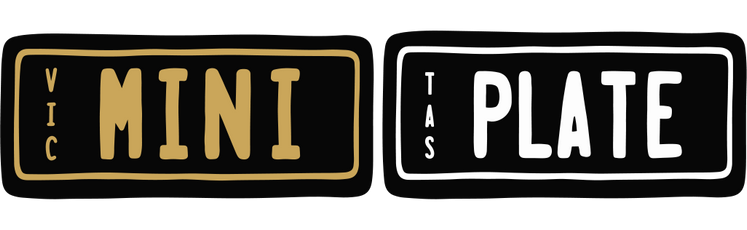
A mini plate is a separate personalised sign, designed to give kids’ belongings the familiar look of a real number plate. It has its own shape, edge and presence, so it reads as an accessory rather than printed decoration. On a ride-on car, bike, scooter, trailer or pet shelter, that little bit of dimension can make the whole setup look more considered.
A decal is an adhesive graphic applied straight onto the item. Decals can be a handy option when there is very little space, when a curved surface makes mounting difficult, or when you want artwork to blend into the item rather than stand proud from it.
Neither is automatically better. A decal suits some jobs perfectly. But if the aim is a classic personalised plate look that draws the eye in photos, at birthday parties and out on the footpath, a mini plate usually has more impact.
Why mini plates feel more special
Parents and gift buyers often choose a mini plate because it turns an everyday item into something that feels owned. “MIA 1”, “JACK’S UTE”, a family nickname or a playful custom message can make a child grin before they have even climbed into their ride-on.
That matters for gifts. A generic scooter is useful, but a scooter with a personalised plate feels selected especially for the child receiving it. It is a small detail with a big reveal moment, whether it is tucked into a birthday present, added before Christmas morning or fitted to a new cubby house.
Mini plates also suit the kinds of items children keep for years. Think balance bikes passed down to younger siblings, pedal cars brought out every weekend, bedroom doors, toy garages and play kitchens. The plate becomes part of the story of that item, rather than a temporary flourish.
A more realistic finishing touch
The strongest reason to choose a mini plate is visual. Kids love copying the grown-up world: cars, work utes, trailers, race vehicles and street signs. A plate-style accessory gives ride-on vehicles and play spaces a more realistic, finished appearance without making things complicated.
It is particularly effective on ride-on cars with a flat front or rear mounting area. A well-positioned plate can make a toy car look ready for its own driveway, while a matching plate on a bike or scooter adds a fun point of difference at the park.
Easy to spot and easy to identify
Personalisation can be practical, too. At daycare, a playdate or a busy family gathering, lots of children’s bikes and scooters can look alike. A clearly personalised plate helps everyone identify which one belongs to whom.
For siblings, this can prevent little mix-ups and even bigger arguments. Giving each child their own colour, wording or plate style creates a clear sense of ownership without needing labels on every single part.
Where decals make sense
Decals still have a place in a personalised setup. They are a useful choice for surfaces where there is no obvious spot to attach a separate plate, or for designs that need to follow a curve. A small decal may suit a helmet, drink bottle, storage tub or the side of a toy where a plate would look out of place.
They can also work well as supporting details. For example, a ride-on car might have a custom mini plate at the front, then themed decals along the side panels. That combination gives you a standout focal point and extra character without overdoing it.
The trade-off is that decals rely heavily on the condition and cleanliness of the surface. Dust, texture, repeated rubbing and exposure to the elements can affect how neatly an adhesive design stays in place over time. Children are not known for gentle handling, so consider where the item will live and how it will be used.
Think about the surface before you choose
Before ordering anything, take a quick look at the item itself. This step saves guesswork and helps you choose something that will look right from day one.
A flat, visible area usually suits a mini plate beautifully. Front bumpers on ride-on cars, the front of a toy trailer, a cubby house wall, a bedroom door or a pet shelter are all natural homes for a plate-style sign. Measure the available area first so the plate has room to stand out without covering lights, buttons, openings or moving parts.
Curved, flexible or heavily textured areas may be better suited to a decal. The same goes for very small products where a plate could look oversized. If your child’s scooter has a flat stem panel or front basket, a compact plate can still work well, but placement is everything.
For outdoor items, choose a position that avoids regular knocks where possible. The front of a ride-on is popular because it is visible, though a rear panel may be a smarter option for a child who spends every afternoon bumping into garden furniture. There is no wrong answer - just choose the location that balances visibility with everyday use.
Compare the look, effort and longevity
When weighing up mini plates vs decals, it helps to focus on the result you want rather than treating one option as a replacement for the other.
A mini plate is the choice for a strong personalised statement. It is ideal when the name or custom wording is meant to be the feature, when you are creating a memorable gift, or when you want a realistic number-plate look. It is also a great fit for items with a dedicated display spot.
A decal is generally better for extra decoration, smaller labels and surfaces that cannot take a mounted accessory. It can offer a low-profile finish, but it does not create the same raised, plate-style effect.
Budget can play a role, but the value of a personalised product often comes from how long it remains meaningful. A child may outgrow a favourite toy eventually, yet the photos, birthday memories and stories attached to a custom plate tend to stick around. For a gift that needs a proper wow factor, that is worth considering.
Choosing wording your child will love
The best custom plate wording is usually simple. A first name, nickname, initials, a favourite number or a short playful phrase tends to be easy to read and instantly recognisable. Think “LUCAS 7”, “LIL MISS”, “MAX’S 4WD” or a family in-joke that will make them laugh.
Try not to cram too much into the available space. Short wording has a cleaner plate-like appearance and is easier to notice from a distance. If you are buying for a birthday, you can also choose something that will not date too quickly. A name and favourite number may stay relevant longer than a passing cartoon obsession.
For families buying more than one, coordinated plates can be a lot of fun. Match the format across siblings’ bikes or use different colours and wording so every child has a distinct style. It turns practical ownership into part of the play.
A small detail that changes the whole gift
MiniPlate.com.au makes it easy to create a custom plate for the places and things your child already loves, from ride-on cars and scooters to bedrooms, cubbies and pet spaces. The ordering decision does not need to be complicated: pick a mini plate when you want the personalised number-plate look to be the hero, and choose decals when a slim decorative detail better suits the surface.
The best choice is the one that fits how your child plays. Add a name they are proud to claim, place it where they will see it every day, and let that ordinary bike, toy car or cubby feel like it was made just for them.