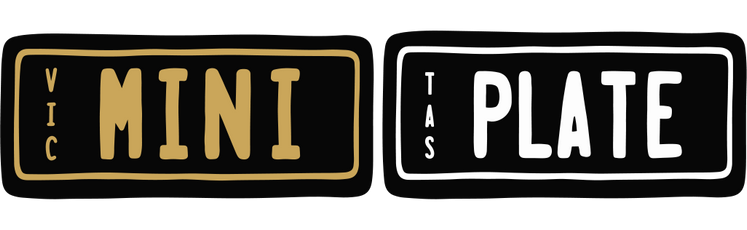

How to Design Kids Name Plates That Pop
A kids name plate can look cute, sure - but the best ones do more than that. They make a bedroom door feel like their own space, turn a cubby house into headquarters, and give a ride-on car or scooter that personalised finishing touch. If you’re wondering how to design kids name plates, the sweet spot is simple: make it fun for the child, easy to read, and suited to where it’s going.
That sounds straightforward until you’re staring at colour choices, font styles and theme ideas. The good news is you do not need a design background to get it right. You just need a few practical decisions in the right order.
Start with where the name plate will go
Before you pick colours or graphics, think about the job the plate needs to do. A name plate for a bedroom door has a different feel from one going on a bike, toy box or ride-on car. Location shapes almost every design choice.
If it’s for a bedroom or playroom, you can lean a little more decorative. There is usually more space, people will see it up close, and it becomes part of the room’s look. For a scooter, bike or ride-on vehicle, readability matters more. Smaller plates need cleaner text and fewer visual extras.
Outdoor use matters too. A plate on a cubby house, gate or pet shelter needs a design that still looks sharp when viewed from a distance. Fine detail can get lost quickly, especially in bright sun or if the surface itself is busy.
How to design kids name plates without overdoing it
The most common mistake is trying to fit too much in. A child’s name plate is usually strongest when it focuses on one clear idea. That might be the child’s name in a bold style, a number-plate look, or a simple theme like dinosaurs, racing, florals or space.
Think of the plate as a small statement piece, not a scrapbook. If you add too many colours, effects and icons, the name can stop being the hero. Kids often love lots of things at once, but the design still needs to feel tidy.
A good rule is to choose one main theme and one supporting detail. For example, a race-car style plate with a strong red background and a simple stripe works better than trying to include stars, flames, checkerboards and multiple typefaces all at once.
Keep the name easy to read
The whole point of a name plate is instant recognition. That means readability beats novelty every time. Script fonts can be charming for bedroom décor, but for smaller plates or vehicle-style designs, block letters usually work better.
Short names naturally give you more design freedom. If the name is longer, you may need to simplify the layout so it does not feel squeezed. In some cases, using a nickname makes the final plate look cleaner and more balanced. It depends on where the plate will sit and how much space you have to work with.
If you’re adding anything beyond the name, such as a birth year, fun title or number, check that it supports the design rather than competing with it. A plate that says "Luca" clearly will usually look better than one trying to fit "Prince Luca’s Racing Garage 2024" into the same space.
Choose colours that match the child and the setting
Colour does a lot of heavy lifting. It sets the mood straight away and helps the plate stand out from its background. The trick is balancing personality with contrast.
If the plate is going on a white bedroom door, soft pastel text on a pale background may disappear. If it’s for a black ride-on car, a dark navy plate might look sleek but be harder to read. You want enough contrast that the name is easy to spot in real life, not just in your head.
Some families choose colours based on the child’s favourite shades, and that can work brilliantly. Others prefer to match the room, bike or toy. Neither approach is wrong. If the plate is meant to feel like part of a larger setup, matching the existing colour palette makes sense. If it’s supposed to stand out as a gift or feature piece, bolder contrast usually wins.
Bright colours often suit younger kids, while older children may prefer something a bit more polished. A realistic mini number plate style is especially handy here because it feels playful without looking babyish.
Pick a font that suits the vibe
Fonts quietly change the whole personality of a plate. Rounded fonts feel soft and playful. Bold sans serif fonts feel modern and clean. Number-plate inspired lettering gives a more realistic, standout finish for bikes, scooters and ride-ons.
This is one of those places where it pays not to chase trends too hard. Super decorative fonts can date quickly and may be harder to read. If the plate is designed as a gift, a cleaner font is usually a safer choice because it appeals to both the child and the adult buying it.
A good font should match the theme without becoming the theme. If the child loves princesses, the design does not need the swirliest lettering imaginable. A neat, readable font in the right colour can often do the job better.
Match the design to the child’s age
Age changes what looks right. For toddlers and preschoolers, playful shapes, cheerful colours and friendly themes usually feel spot on. For primary school kids, plates often work best when they still feel fun but a little more grown-up.
That matters if you want the plate to last beyond a single phase. A design based on a broad interest like racing, animals, footy, dance or outer space will often have a longer shelf life than something very age-specific. If you’re buying for a birthday and want a big wow factor now, a trend-driven design can still be worth it. Just know it may not have the same staying power.
For gift buyers, this is especially useful. If you’re not certain what the child is currently obsessed with, a classic personalised design with strong colours and a clean layout is a safer bet than a very niche theme.
Think about size and proportion
One of the biggest parts of how to design kids name plates is choosing the right scale. A plate can have great colours and typography, but if the size is off for the space, it will never look quite right.
A small bedroom hook or toy basket suits a more compact name plate. A cubby house or playroom wall can handle something more noticeable. For bikes and scooters, the plate should feel proportionate to the frame, not oversized or awkwardly tiny.
Proportion also affects how much text you can use. Smaller plates need shorter wording and cleaner layouts. If you know the plate will be viewed from across the yard or room, go bigger with the name and smaller with any decorative extras.
Number-plate style works for a reason
There’s a reason number-plate inspired designs are so popular for kids. They feel fun, polished and instantly recognisable. They also suit loads of uses - ride-on cars, bikes, scooters, cubbies, bedrooms and even pet spaces.
That style has a built-in advantage because it already gives structure to the design. The plate shape, bold lettering and simple layout do a lot of the work for you. It feels personalised, but still tidy and realistic. For many families, that mix is exactly what makes the finished product feel special.
If you want something that looks more premium than a generic sign, this style is a strong choice. It photographs well, feels giftable, and works across a lot of ages.
Make it personal, but not hard to live with
The best personalised products feel exciting on day one and still look good months later. That’s why a little restraint helps. You want enough character to make the plate unmistakably theirs, without making it so specific that it clashes with everything else around it.
A child’s nickname, favourite colour, lucky number or a simple themed touch is often enough. Personalisation does not have to mean packing every preference into one design. In fact, the cleaner options often look more premium.
If you’re designing for a shared family space, like a playroom or backyard area, it can help to choose a style that still fits the overall look of the home. If it’s for a bedroom door or a ride-on car, you can usually be a bit bolder.
A simple way to get the design right
If you want an easy formula, start with the child’s name, then choose the location, then pick one theme, then settle on colours with strong contrast. After that, use a readable font and keep any extras minimal. That order makes the process faster and helps you avoid design decisions that look fun at first but feel cluttered once everything is combined.
For Australian families shopping online, the easiest path is usually a custom option that lets you preview or build a plate around a proven format rather than starting from scratch. That way, you still get something personal without needing to second-guess spacing, style or finish. It’s one of the reasons number-plate style products from specialists like MiniPlate.com.au appeal to busy parents and gift buyers - they keep the process simple while still delivering that tailored look.
The nicest kids name plates are not always the fanciest ones. They’re the ones that feel made for that child, suit the space, and bring a little extra excitement every time your little one sees their name on it.