
How to Choose Cubby House Signs That Kids Love
A plain cubby can become The Mango Tree Café, Captain Isla’s Clubhouse or a tiny country post office with one well-chosen sign. Working out how to choose cubby house signs is less about getting every design detail perfect and more about choosing something that feels like it belongs to your child’s little world.
The best sign gives their play space a name, a personality and a bit of pride of place in the backyard. It can also make a cubby house feel extra special on a birthday morning, especially when it matches a favourite ride-on car, bike or bedroom theme.
How to choose cubby house signs for your space
Start with where the cubby sits and how your child uses it. A small indoor play tent may only need a compact name plate above the opening, while a large timber cubby in the backyard can carry a bolder sign on the front wall, gate or verandah.
Think about the viewing distance, too. If the sign will be seen from the patio or across the lawn, larger lettering and a simple design will have more impact than lots of tiny details. For a sign close to the door, you have more room to add a family nickname, a house number or a playful title.
There is no single right size. A big sign can create a real wow factor, but it may overwhelm a compact cubby. A smaller personalised plate looks neat and purposeful, particularly when it is paired with other little details such as a letterbox, pretend doorbell or welcome mat.
Before ordering, measure the clear space where the sign will go. Allow room around door frames, windows, shutters and decorative trim. It is far easier to choose a size with confidence than to find your favourite sign does not quite fit the spot you had in mind.
Pick a name your child will still enjoy
A child’s first name is always a winner. It makes the cubby unmistakably theirs and works across almost any theme. You can keep it simple with “Harper’s House” or turn it into something imaginative, such as “Archie’s Adventure Base”.
If siblings share the space, a family-style name usually works better than choosing one child over another. Try “The Parker Playhouse”, “Cousins Club” or a made-up street name that everyone can claim. A shared sign can also make the cubby feel like the meeting place for playdates and school-holiday adventures.
The trade-off is longevity. A name based on a current character, catchphrase or toddler nickname can be hilarious now, but children’s favourites can change quickly. If you want a sign that will suit them for several years, use their name, initials or a timeless club-style title. If the cubby is being decorated for a party or a particular stage, go all-in on the fun theme instead.
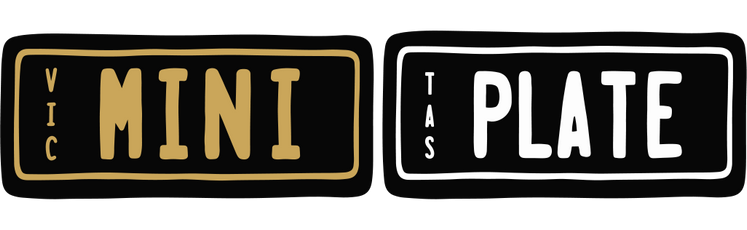
For a mini number plate look, short wording tends to be strongest. Initials, a nickname, a playful number or a short club name are easy to read and give the sign that crisp, realistic plate-style finish.
Match the colours and theme without overdoing it
Cubby house signs are a great chance to bring a theme together, but they do not need to match every single item in the yard. Choose one or two colours already used on the cubby, outdoor cushions, toy vehicles or garden décor, then let the sign add contrast.
A bright red, blue or yellow sign suits a cheerful play space and stands out well against natural timber. Black, white, silver and darker tones can create a more classic garage, workshop or clubhouse feel. Pastels are lovely for a sweet cottage-style cubby, especially alongside painted shutters and flower boxes.
Theme ideas are useful when you are stuck, but keep them flexible enough for everyday play. A few popular directions include:
- a race garage for children who love ride-on cars, scooters and bikes
- a bush ranger or camping base for outdoor explorers
- a café, bakery or market stall for imaginative role play
- a fairy cottage, beach shack or garden retreat for a softer look
- a secret club headquarters for older kids who want their own special spot
Consider weather, placement and readability
Outdoor cubbies have to handle much more than indoor play spaces. Sun, rain, muddy fingers and energetic games all affect where a sign will look best over time. Choose a sign made for its intended setting, and position it where it will be easy to see without taking the full force of sprinkler spray or water running off the roof.
A sheltered front wall or under-verandah area is often ideal. It keeps the sign visible when children arrive to play while giving it a little extra protection. If your cubby does not have a covered area, make sure the sign and its finish are suitable for outdoor use, then follow the care guidance provided.
Readability matters more than clever wording. High contrast between the background and lettering is usually easiest for little visitors to spot. A dark background with light text, or a light background with dark text, will generally stand out better than similar shades placed together.
Avoid cramming too many words into a small space. “Olivia’s Ice Cream Shop” may need a larger sign than “Liv’s Gelato”. If a name is long, use initials, a shortened version or put the big idea first. The sign should be recognisable at a glance, even when your child is racing out the back door with friends.
Choose a mounting spot before you order
The right sign can be let down by an awkward installation spot. Check what the cubby walls are made from and where you can safely attach a sign. Timber panels are usually straightforward, while thin plastic, fabric or lightweight playhouse walls may need a different approach.
Keep sharp edges, loose fittings and hard-to-reach positions in mind. A sign mounted at a sensible height is easier to enjoy, easier to clean and less likely to become an obstacle during high-energy play. If the cubby is moved regularly, a lighter sign or a removable mounting option may be more practical.
Also consider the opening and closing of doors, shutters and gates. A sign that sits beautifully in the centre of a wall may be bumped every time the door swings open. A quick test with masking tape cut to the sign’s approximate size can help you visualise the placement before it arrives.
Make it a gift they can see straight away
Personalised cubby house signs make standout gifts because they are not destined for the back of a toy cupboard. They become part of the play space from day one. For birthdays, Christmas, housewarming gifts or a newly finished backyard project, a custom sign is an easy way to make a cubby feel officially open for business.
If you are buying for someone else’s child, choose wording that is personal but not too restrictive. Their name, initials or a family name is a safe choice. If you know they have a ride-on car or scooter, a matching plate-style sign can tie the whole setup together beautifully.
At MiniPlate, the fun is in making the details feel made just for them, without turning the ordering process into a design project. Keep the message clear, check the spelling carefully and picture the sign on the cubby before choosing your final style.
A quick final check before personalising
Before you settle on a design, make sure the sign passes these five simple tests:
- It fits the available wall, gate or door space.
- The wording is easy to read from where it will be viewed.
- The colours suit the cubby without disappearing into the background.
- The name or theme feels right for the child and how long you want to use it.
- The chosen position is practical for mounting and everyday play.